XP
PRINCIPAL ARCHITECT
Xopher "XP" Pollard

Principal Systems Architect & Builder (25+ Years Experience)

1998: Built my first webpages by hand in raw HTML, in middle school, before CSS was standard.
2000s to 2010s: Worked through graphic design, frontend interfaces, PHP, Swift, and modern component frameworks.
2020s: Built and maintained large web platforms and the systems behind them.
Today: Turned 25+ years of file-splitting habits into a set of rules I use with AI coding agents.
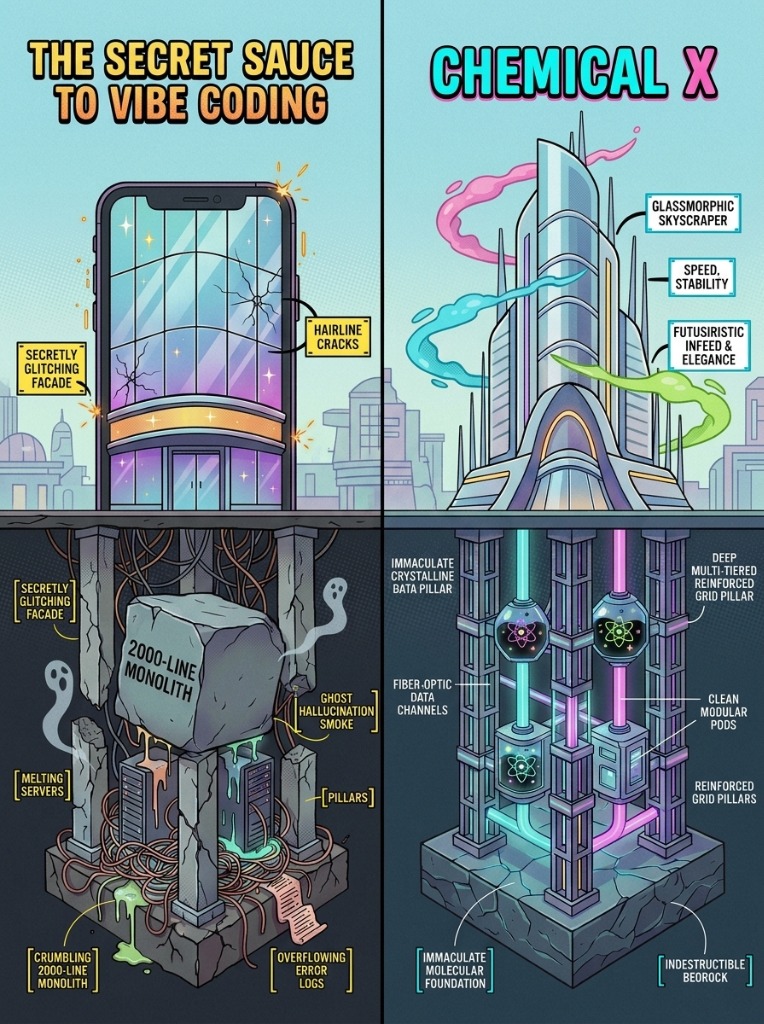
"When you feed an AI agent a 1,500-line monolith, you are paying for context window noise and asking for hallucinations. When you slice your application into crystalline atomic capsules under 100 lines, the AI operates with near 100% precision."
THE ORIGIN STORYNOT AI-GENERATED FLUFF

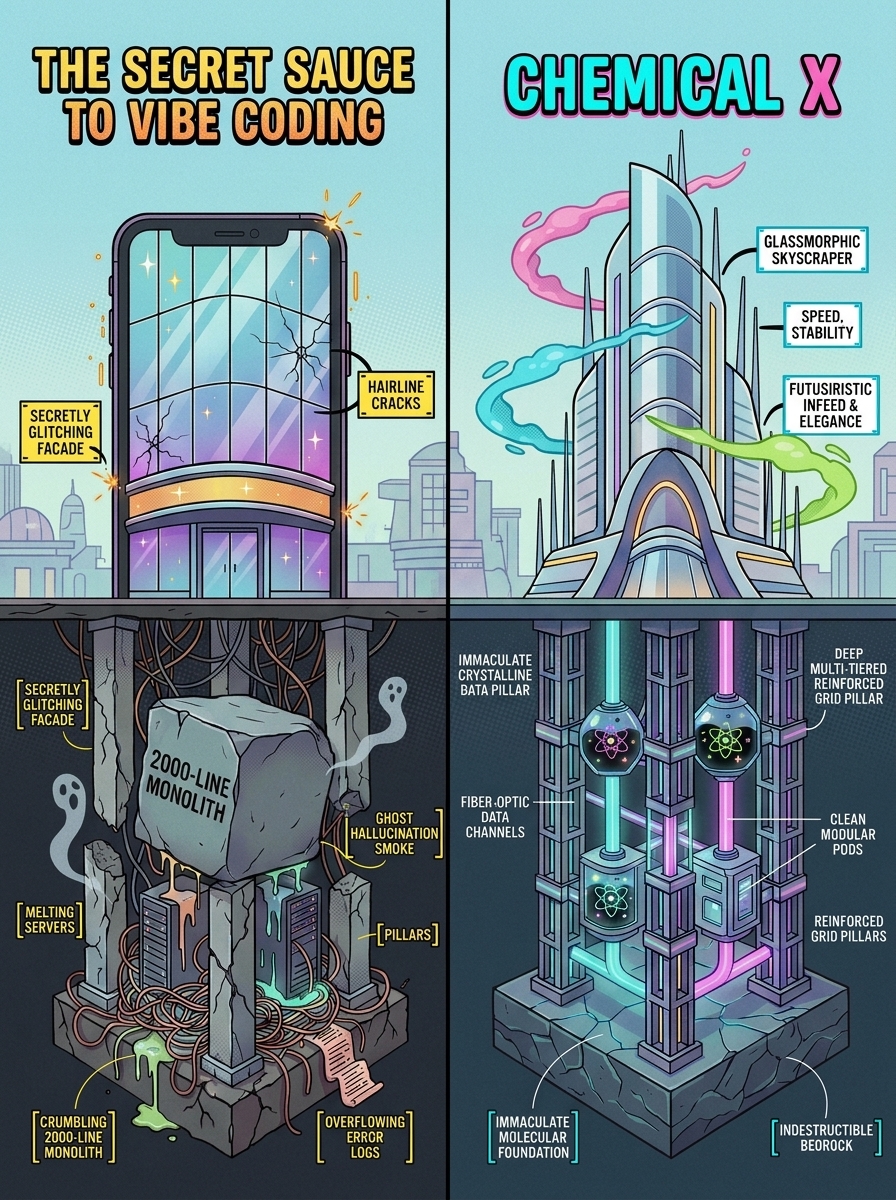
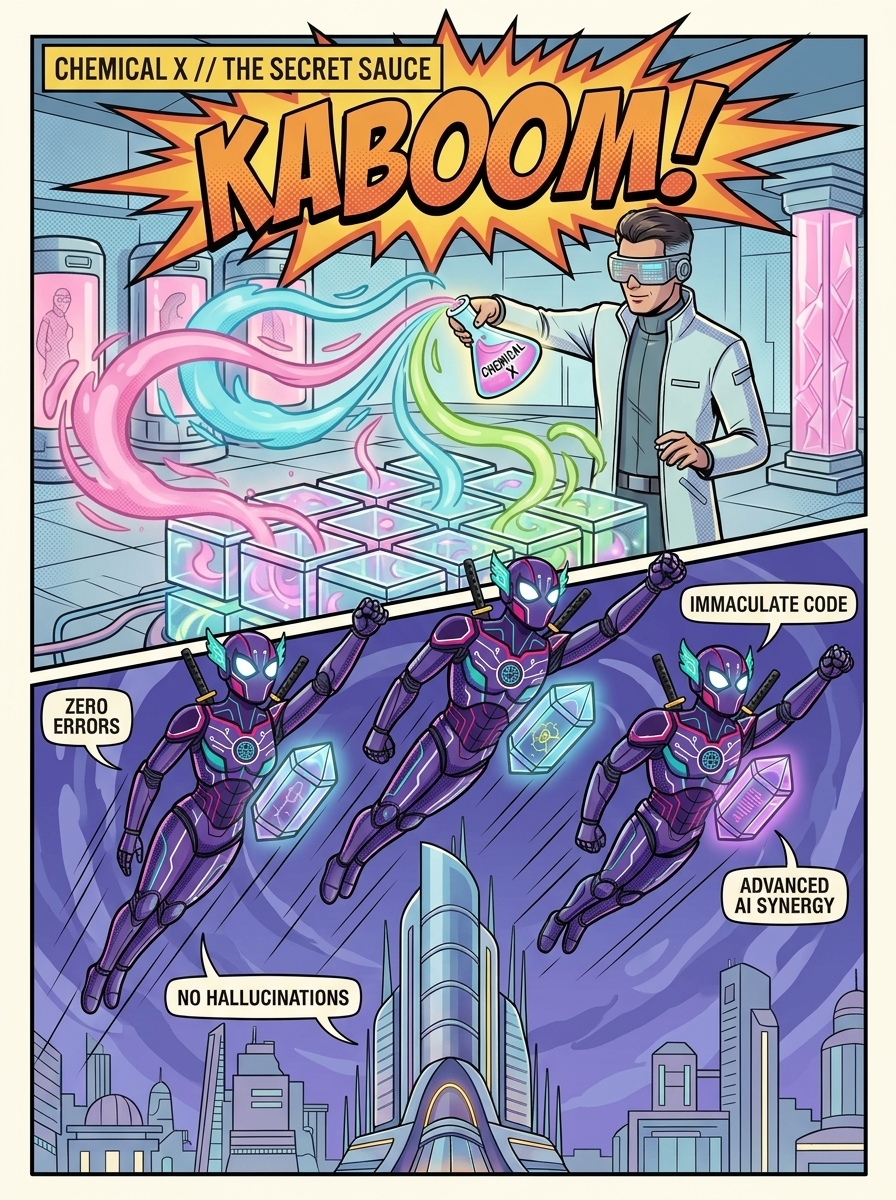
Why 25 Years of Architectural "Overkill" Became Chemical X for Vibe Coding

I built my first webpage in middle school back in 1998, hand-typing raw HTML into Notepad before CSS was standard. Over the next two and a half decades I watched the web move from table-sliced Photoshop layouts and early PHP scripts to modern component frameworks and distributed services.

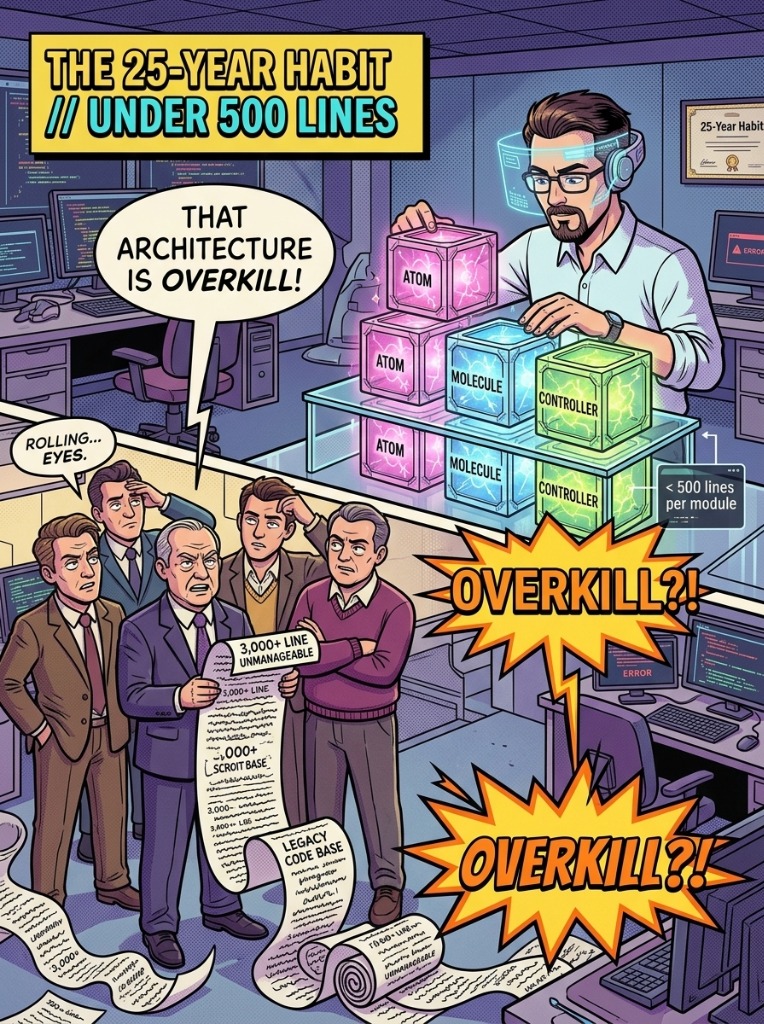
Through every shift I kept coming back to the same habit: break things into smaller pieces. Capped files early, watch out when lines go beyond 500. Keep to single-purpose composables, simple two-stage boolean logic. It wasn't a rule I picked up from a book. It's just how I kept my own head straight. Once a file got big, I lost track of what depended on what, and I'd get slower and more careful instead of faster. Smaller pieces meant I could hold the whole thing in my head. For years some engineering directors and colleagues told me this was overkill for a human team.

Then the vibe coding shift happened, and I started handing real work to Claude, Gemini, GPT, Grok, and Cursor.

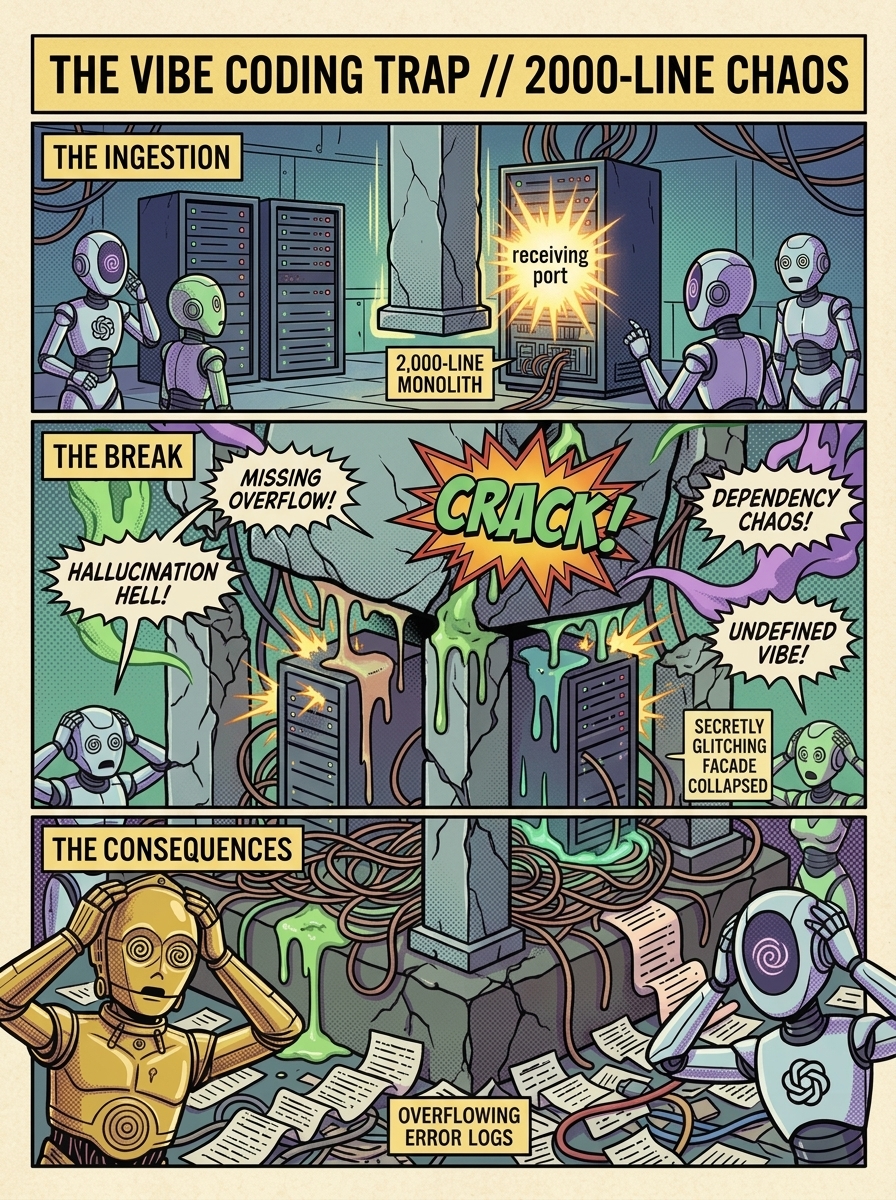
What I noticed felt familiar. Agents working against big files lost the thread the same way I used to. Missing imports, duplicated hooks, edits that touched more than they should have. When I fed the same kind of work into small, single-purpose files instead, the agents seemed to stay on track more reliably, and for the kind of narrow, targeted edits I do most often, it usually meant less back-and-forth to get there. I don't have a lab and a control group behind that. It's a pattern I noticed in my own day-to-day work, not a published study. But it held up enough times that I started writing it down as a set of rules for myself.

That's what Chemical X is. Not a discovery that AI needs this. Twenty-five years of a habit that turned out to carry over once the reader of my code stopped being just me.

My 25-year obsession wasn't overkill. It's the missing ingredient for a super powered codebase: Chemical X.

25 Years

Systems Architecture

0% Fluff

Battle-Tested Standards

85% Off

Token Burn Reduction

25-YEAR ARCHITECT EDITION
VOL. 1
CHEMICAL X

THE SECRET SAUCE TO VIBE CODING

Architectural guardrails to eliminate token burn and AI hallucinations.

AUTHORED BY

Xopher "XP" Pollard

Principal Systems Architect (25+ Yrs Exp)

Just the Book (Coming Soon)

Includes Kindle PDF Edition + AGENTS.md Protocol

KINDLE & PRINT EDITION

Amazon Kindle Marketplace Ready

Full eBook formatted for offline reading, Kindle Scribe, iPad, and desktop readers. Includes all 7 chapters, copyable standards, and prompt recipes.

WHAT I'VE SEEN ACROSS MODELS

How Claude, Gemini, GPT, Grok, & Cursor Handle Chemical X

Not a formal benchmark suite, just patterns I've noticed running real tasks against each of these models with and without the file-splitting rules.

Claude 3.7 / 3.5 Sonnet
Without These Rules

Suffers severe context degradation past 1,000 lines; drops subtle state mutations, hallucinates missing props, and duplicates imports.

With Chemical X Rules

Surgical file edits on targeted subcomponent capsules under 100 lines; generates clean, fully-typed diffs in under 2 seconds.

Based on hands-on use, not a controlled test.
Google Gemini 2.5 / 1.5 Pro & Flash
Without These Rules

Massive context window gets cluttered by scattered inline styles and un-factored state hooks, inventing phantom variables.

With Chemical X Rules

High-speed ingestion of modular composables; zero-hallucination compliance across reactive state slots.

Based on hands-on use, not a controlled test.
OpenAI GPT-4o / o1 & Cursor
Without These Rules

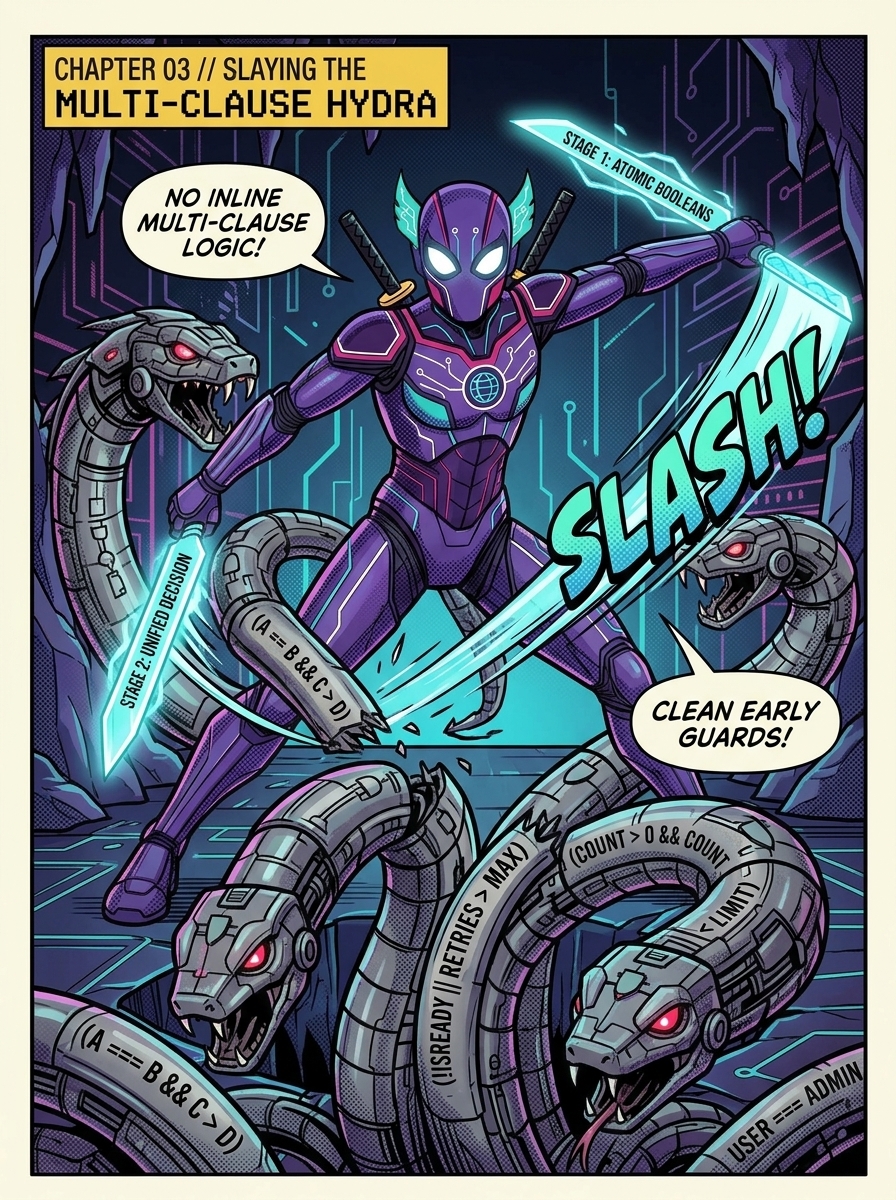
Fails on multi-clause boolean conditionals embedded deep in JSX trees; generates unreachable logic guards.

With Chemical X Rules

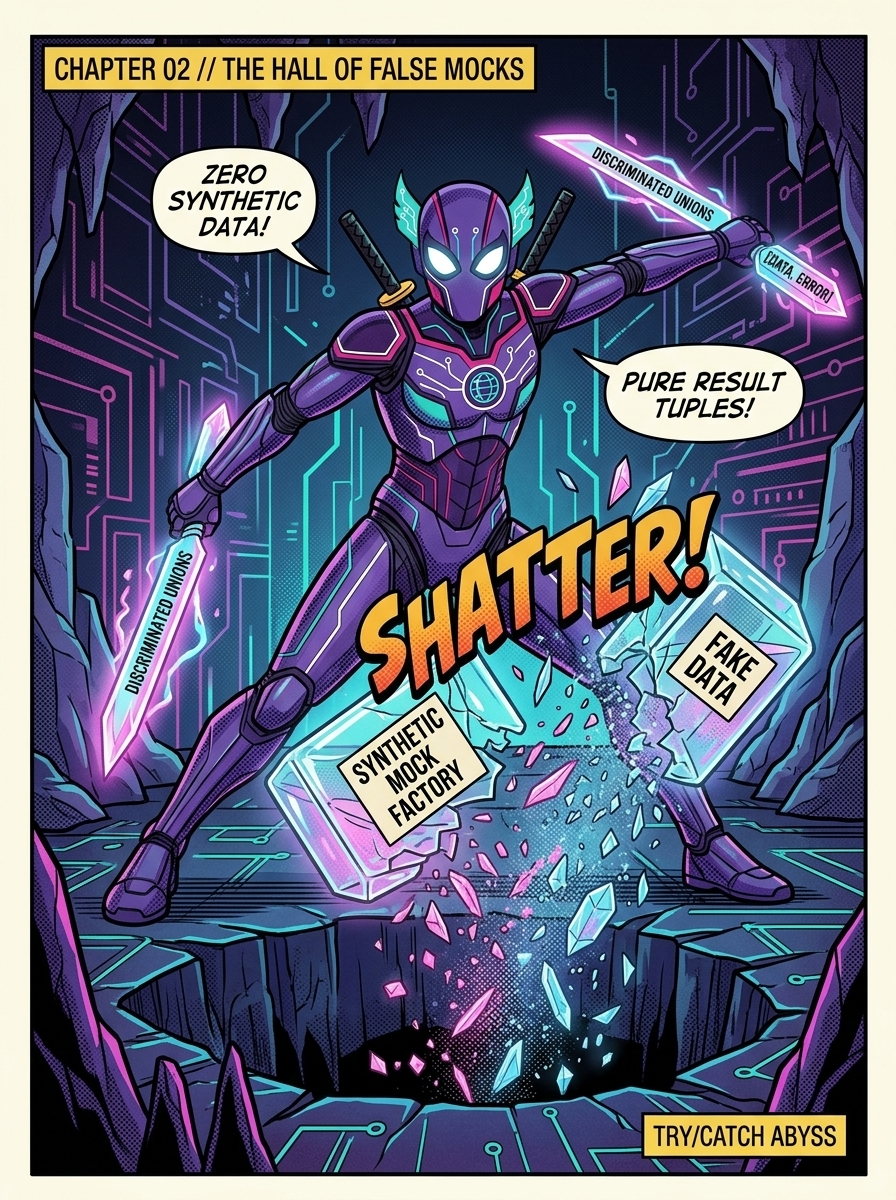
Flawless control flow evaluation via Stage 1 concept declarations and discriminated state unions.

Based on hands-on use, not a controlled test.
xAI Grok 3 / Grok 2
Without These Rules

Rapid reasoning engine stalls when navigating deeply nested prop-drilling trees and uncleaned polling loops.

With Chemical X Rules

Instant alignment with Table-of-Contents scaffolding and self-cleaning timer hooks; zero state mutation leaks.

Based on hands-on use, not a controlled test.